
Snake Pass Cycling Guide – Is This Peak District Climb Worth It?
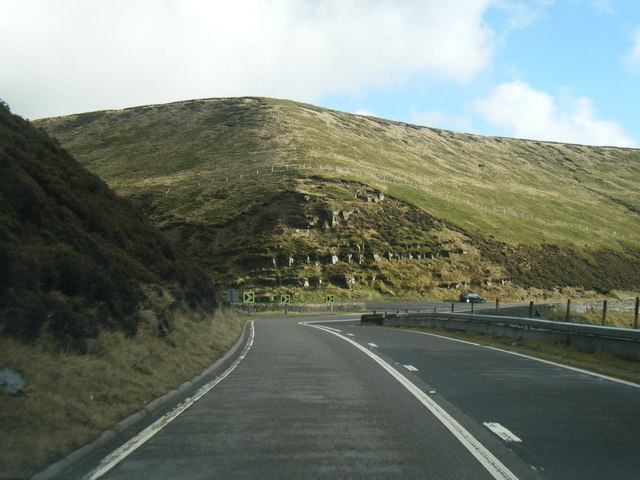
Snake Pass is one of the most famous cycling climbs in the Peak District, connecting Glossop to Ladybower Reservoir along the A57. But with its reputation for heavy traffic and dangerous conditions, many cyclists wonder whether it’s worth tackling. I’ve ridden Snake Pass from both directions multiple times, and here’s everything you need to know before you give it a go.
Key Stats
From Glossop (West to East):
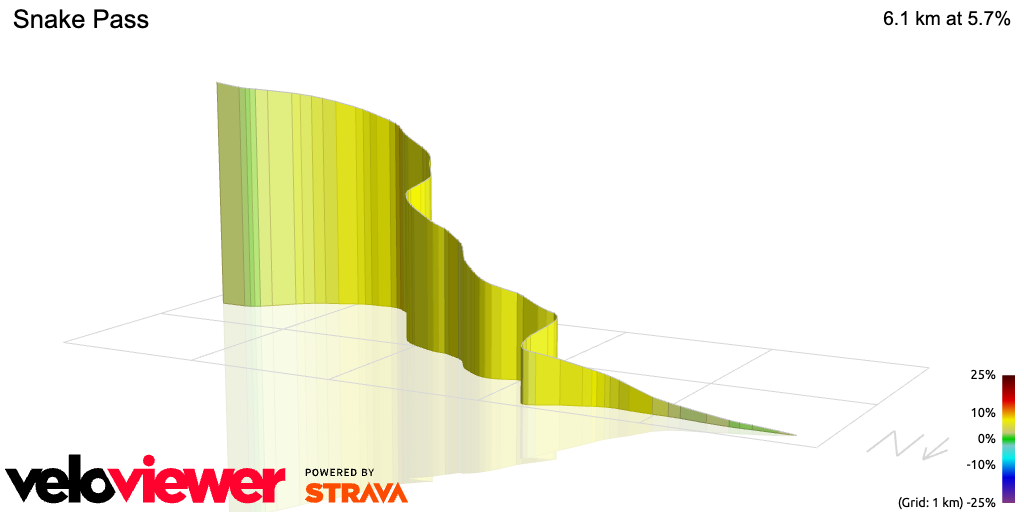
- Distance: 6.1 km
- Elevation gain: 348 m
- Starting elevation: 163 m
- Final elevation: 512 m
- Average gradient: 5.3%
- Maximum gradient: 8.1%
- Difficulty rating: 7/10
From Ladybower Reservoir (East to West):
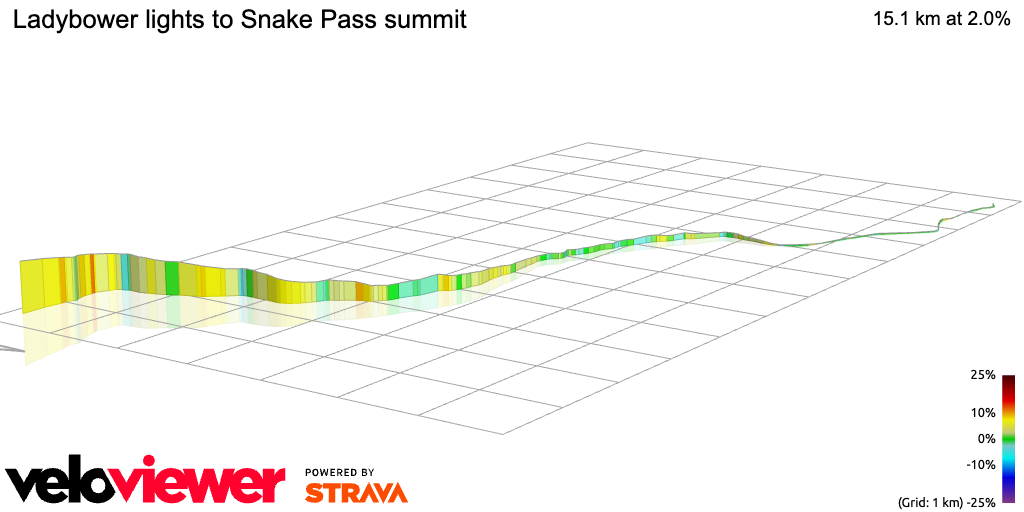
- Distance: 15.1 km
- Elevation gain: 445 m
- Starting elevation: 209 m
- Final elevation: 512 m
- Average gradient: 2%
- Maximum gradient: 11.8%
- Difficulty rating: 6/10
The Climb: What to Expect
Starting from Glossop
The Glossop side is the more challenging ascent and the one you’ll hear about in cycling circles. The gradient sits consistently around 5-6%, which means you can settle into a rhythm and hold the same gear for much of the climb. Unlike steeper Peak District beasts like Winnats Pass, Snake Pass doesn’t have brutal ramps that force you to grind to a halt.
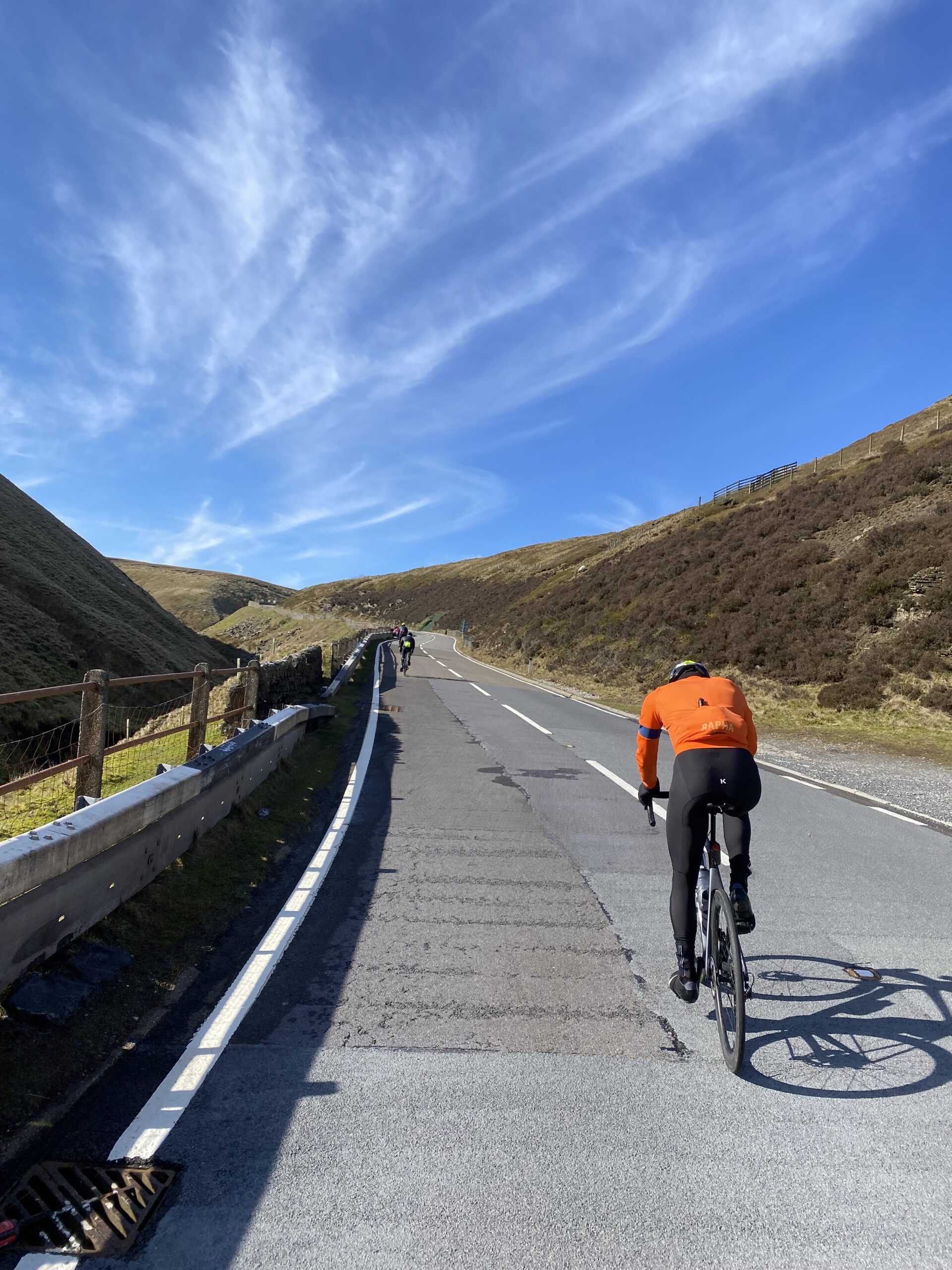
The road follows wide, sweeping bends as it climbs through moorland, with the scenery opening up dramatically as you gain height. On a clear day, the views across Kinder Scout and Bleaklow are spectacular, but Snake Pass is notoriously exposed to wind. I’ve been up there on calm summer evenings and howling autumn days where the crosswinds made the descent genuinely sketchy.
The climb doesn’t have an obvious summit – it gradually levels off at around 512 metres before descending toward Ladybower. The top section can feel mentally tough because you keep thinking you’re nearly there, only to find the road continuing to rise gently.
Starting from Ladybower Reservoir
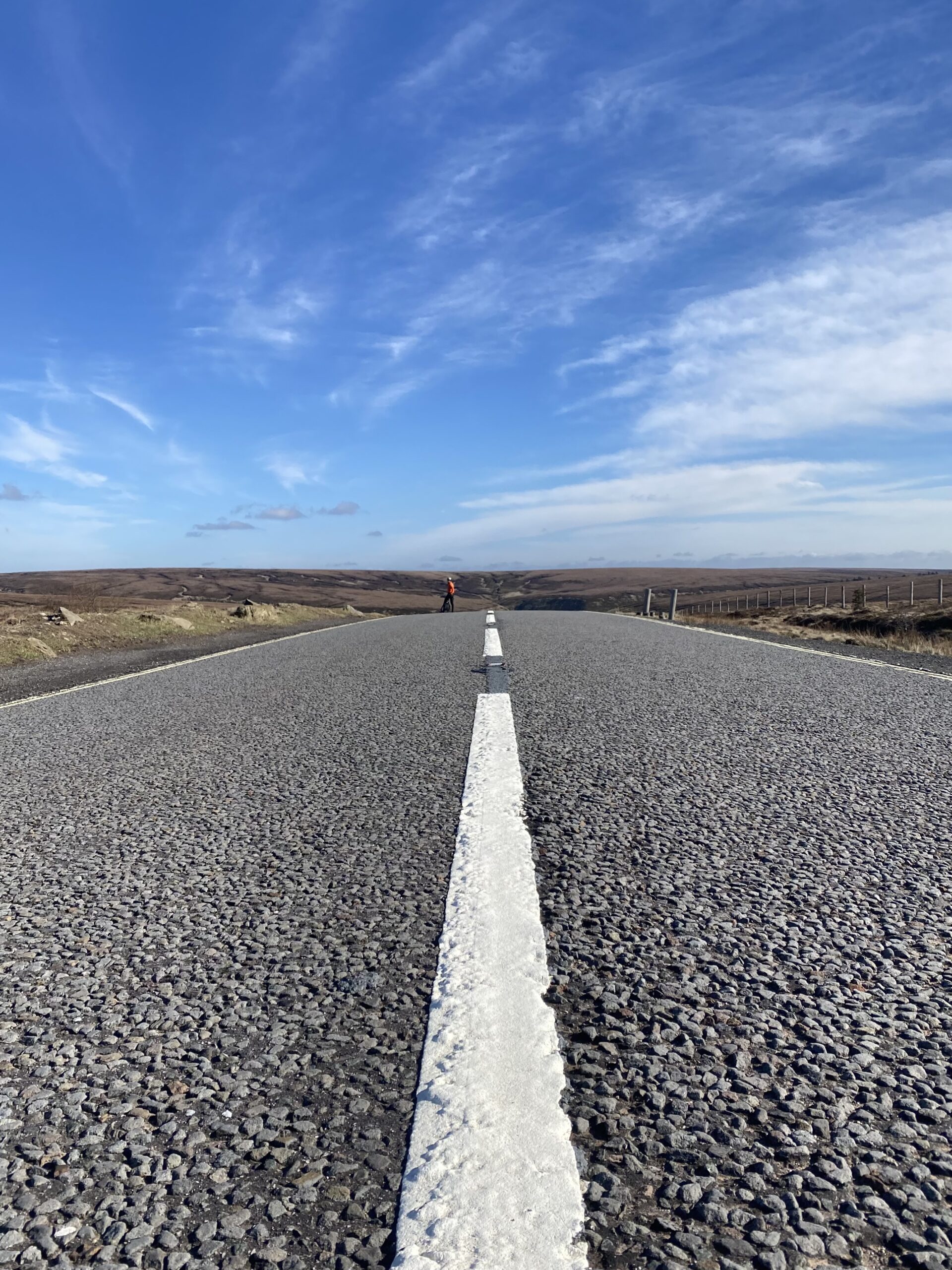
The eastern approach from Ladybower is longer but considerably gentler at an average of just under 3%. This makes it ideal for beginners or anyone building endurance. The gradient is so consistent that you might find yourself spinning comfortably in the same gear for 11 kilometres.
However, don’t underestimate it. The length means it’s a test of mental stamina, and those exposed moorland sections can be brutal if the wind is against you. I’ve seen riders pedalling hard on descents here just to maintain forward momentum against 30+ mph headwinds.
The Traffic Question
Let’s address the elephant in the room: Snake Pass has a poor safety record. It’s an A-road that carries significant traffic between Manchester and Sheffield, including HGVs, motorcycles, and impatient commuters. There are regular accidents, particularly involving motorcyclists taking corners too fast.
My honest take: I wouldn’t recommend Snake Pass for novice road cyclists or families. The road can be genuinely dangerous during peak times, with vehicles passing at speed on narrow sections. However, for experienced club riders who understand the risks and time their ride carefully, it’s manageable.
Best times to ride:
- Early weekend mornings (before 8am on Saturdays and Sundays)
- Weekday mid-mornings (after rush hour)
- Avoid bank holidays and summer weekends when traffic is heaviest
When I ride Snake Pass, I try to wear bright colours, use a rear light even in daylight, and position myself assertively on the road around blind bends. On the descent, I keep my speed in check – the temptation to fly down is there, but the risk isn’t worth it.
Is It Worth Riding?
You should ride Snake Pass if:
- You want to tick off one of the Peak District’s most iconic climbs
- You’re training for longer, sustained efforts (it’s excellent for building endurance)
- You can time your ride to avoid heavy traffic
- You’re comfortable riding on busy A-roads
Skip it if:
- You’re new to road cycling or uncomfortable with traffic
- You’re looking for a quiet, scenic ride (there are better options)
- Weather conditions are poor (wind and rain make this genuinely hazardous)
- You’re riding with children
Alternative Peak District Climbs
If Snake Pass sounds too risky but you want a challenging climb, consider these alternatives:
- Mam Nick – Shorter, steeper, quieter, and still gets you those big views
- Winnats Pass – The Peak District’s most brutal climb, still busy but an iconic climb
- Holme Moss – Similar length and exposure but slightly better road surface
Practical Tips
Weather: Check wind forecasts before heading out. A strong westerly tailwind up from Glossop makes the climb significantly easier, while an easterly headwind can be soul-destroying. If it’s icy or potential snow – don’t bother.
Starting points:
- Glossop: Park near the town centre and warm up through the streets before hitting the climb
- Ladybower: The Fairholmes Visitor Centre has good parking facilities
The Current Situation
It’s worth noting that Snake Pass has been in the news recently due to maintenance concerns. Derbyshire County Council has stated the road requires approximately £4 million in repairs due to landslips and structural issues. There’s been discussion about potentially restricting vehicle access, though nothing concrete has been decided. For now, the road remains open, but this is worth keeping an eye on if you’re planning a trip specifically to ride it.
Final Verdict
Snake Pass is undeniably one of the UK’s best-known cycling climbs for good reason – the length, consistent gradient, and dramatic moorland setting make it comparable to continental climbs. But it comes with significant caveats around traffic and safety.
I ride it once or twice a year, always early on weekend mornings, often I try to find out when it’s closed for repairs as it’s much more fun when there’s limited chance of cars. It’s worth experiencing if you’re a confident road cyclist who can manage traffic, but it’s not a climb I’d recommend casually or to less experienced riders.
For many cyclists, the quieter, more scenic climbs scattered throughout the Peak District offer a better overall experience without the stress of dodging lorries and fast-moving traffic. But if you want to say you’ve ridden one of Britain’s most iconic climbs, Snake Pass delivers – just pick your moment carefully.